Hedge Trimming in Purley: Keeping Gardens Neat, Healthy, and Attractive
Hedge trimming in Purley is more than a routine garden task. It is one of the most effective ways to maintain a tidy outdoor space, protect plant health, and improve the overall appearance of a property. Whether you have a small front hedge, a long boundary line, or a mix of formal and informal shrubs, regular hedge cutting makes a noticeable difference. For homeowners, landlords, and local businesses alike, hedge trimming helps create a polished look while supporting the long-term structure of the plants.
In a place like Purley, where many homes feature established gardens, mature shrubs, and carefully designed landscaping, hedge maintenance is especially important. A well-trimmed hedge can frame a driveway, add privacy, reduce visual clutter, and even increase kerb appeal. On the other hand, an overgrown hedge can quickly make a garden look neglected. That is why hedge trimming in Purley should be seen as a key part of ongoing garden care rather than an occasional chore.
From seasonal shaping to precise reduction work, hedge trimming requires timing, technique, and attention to detail. Some hedges need regular light trims to stay compact, while others benefit from more careful pruning at specific times of year. Understanding how and when to trim hedges is essential if you want healthy growth and a smart finish. For many property owners, hiring a professional hedge trimming service is the easiest way to achieve clean lines and consistent results.
Why Hedge Trimming Matters in Purley
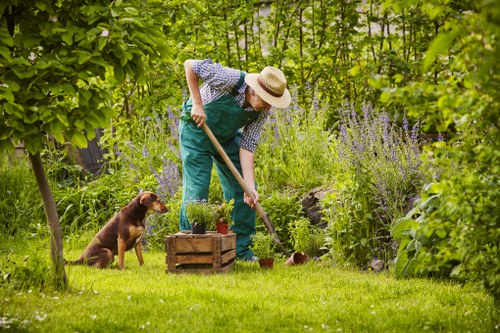
Hedge trimming in Purley serves both practical and aesthetic purposes. A well-maintained hedge can act as a boundary marker, a privacy screen, and a windbreak. It can also soften hard landscaping, add greenery to the street scene, and create a sense of order in the garden. In many Purley properties, hedges are among the most visible features, so their condition can have a big impact on the whole appearance of the home.
Regular hedge cutting also helps plant health. When hedges are left to grow unchecked, they can become dense, top-heavy, and difficult to manage. Poor light penetration and limited airflow may encourage weak growth or disease. In contrast, careful hedge trimming promotes a more balanced shape, helps new shoots develop evenly, and keeps the plant strong over time. This is especially valuable for formal hedges, which rely on a crisp, uniform outline.
Another reason hedge trimming in Purley matters is safety and visibility. Overgrown hedges can obstruct pavements, driveways, roads, signs, and entrances. For homes near busy streets or narrow pathways, trimming helps maintain clear sightlines and safe access. For commercial premises, neat hedging contributes to a professional image and helps visitors navigate the property more easily.
Common Hedge Types Found in Purley Gardens
Before carrying out hedge trimming in Purley, it helps to know what type of hedge is being maintained. Different species grow at different rates and respond differently to trimming. Some hedges tolerate regular shaping, while others need a softer approach. Identifying the hedge type ensures the right method is used and reduces the risk of damaging the plant.
Common hedge varieties in local gardens often include privet, leylandii, laurel, beech, box, yew, hawthorn, and mixed native hedging. Privet is popular for its fast growth and dense appearance. Leylandii grows quickly and can become very large if not managed properly. Laurel provides broad leaves and a lush look, while beech and yew offer a more traditional finish. Each one needs a slightly different approach to hedge cutting.
Some hedges are purely decorative, while others are functional boundary hedges that need to stay at a certain height and width. Understanding the purpose of the hedge is just as important as knowing the species. A front garden hedge may need frequent shaping to preserve kerb appeal, while a back boundary hedge may require seasonal reduction to keep it under control.
Fast-Growing vs Slow-Growing Hedges
Fast-growing hedges like leylandii usually need more frequent trimming, sometimes several times a year. If left too long, they can become difficult to reduce evenly. Slow-growing hedges such as yew or box often need less frequent but more precise maintenance. The pace of growth influences the trimming schedule, the tools used, and the skill level required for the job.
Best Times of Year for Hedge Trimming in Purley
Timing is a major part of successful hedge trimming in Purley. While some light shaping can be done throughout the growing season, many hedges have ideal trimming windows. Cutting at the wrong time can weaken the plant, affect flowering, or reduce nesting opportunities for wildlife. That is why a seasonal approach is often the best way to manage hedges responsibly.
For many hedges, late spring and late summer are common trimming periods. These timings help control growth after the strongest bursts of the season. If a hedge grows very quickly, extra light trims may be needed to keep the shape neat. However, heavy cutting should generally be avoided in very hot, dry periods or during severe frost, as these conditions can stress the plant.
Some hedges, especially flowering varieties, require more careful timing. Trimming too early may remove buds, while trimming too late may leave the hedge looking ragged through winter. Professional hedge trimming in Purley often includes a seasonal assessment so the work is carried out at the right point in the year.
Seasonal Considerations to Keep in Mind
- Avoid disturbing nesting birds during the main breeding season.
- Do not cut back too hard during extreme heat or freezing conditions.
- Trim after a flush of growth to maintain a cleaner outline.
- Check whether the hedge flowers on old or new wood before pruning.
Because weather in Purley can vary throughout the year, flexibility is important. A hedge trimming schedule should be based not only on the calendar but also on the hedge’s actual growth and condition. This approach produces better results and helps avoid unnecessary stress to the plant.
Benefits of Professional Hedge Trimming in Purley
Many people start by trimming hedges themselves, but professional hedge trimming in Purley offers several clear advantages. A trained gardener or landscaper brings experience, proper equipment, and an eye for detail. This can make a big difference when hedges are tall, uneven, or difficult to shape. It also saves time and reduces the physical effort involved in working with large plants.
One of the biggest benefits is consistency. Achieving straight lines, smooth curves, and an even finish is not always easy without the right tools. Professional hedge trimming can improve symmetry and help the hedge look balanced from every angle. This is particularly useful for formal gardens, front borders, and properties where presentation matters.
Another advantage is plant health. Trimming too much, using blunt tools, or cutting at the wrong angle can leave hedges vulnerable to disease and patchy regrowth. Professionals understand how much to remove, where to cut, and how to avoid damaging the framework of the hedge. That means the hedge looks better now and continues to develop well in the future.
What a Professional Service Usually Includes
- Initial inspection of hedge size, shape, and condition
- Season-appropriate trimming or reshaping
- Removal of dead, damaged, or overextended growth
- Cleanup of clippings and debris
- Advice on future hedge maintenance
For property owners who want an attractive garden without the hassle, professional hedge trimming in Purley is often the most efficient solution. It delivers neat results, supports long-term hedge health, and makes routine maintenance much easier to manage.
Tools and Techniques Used for Hedge Trimming

Good hedge trimming depends on both skill and the right equipment. For smaller hedges, secateurs and hand shears may be enough to achieve a clean result. For larger or thicker hedges, petrol, electric, or battery-powered hedge trimmers are often used. The choice of tool depends on hedge size, density, and accessibility. Safe handling is also essential, especially when working at height.
Technique matters just as much as equipment. A common approach is to trim hedges so the top is slightly narrower than the base. This shape allows sunlight to reach the lower branches, reducing the risk of bare patches at the bottom. Straight edges, gentle curves, and controlled cuts all contribute to a tidy finish. Well-shaped hedge trimming in Purley should look intentional rather than rushed.
Different hedges also require different cutting styles. Formal hedges benefit from sharp, defined lines. Informal hedges may be trimmed less rigidly so they retain a natural shape. Some hedges can be lightly clipped to encourage density, while others need a selective reduction to correct size and proportion. The best results come from matching the method to the plant.
Useful Trimming Principles
- Start with small cuts and check the shape often.
- Keep the base slightly wider than the top.
- Use clean, sharp blades for a neat finish.
- Step back regularly to check symmetry.
- Remove only what is necessary to preserve healthy growth.
When hedge trimming is done carefully, the hedge responds more evenly and retains its structure better over time. This is why experienced gardeners often take a measured approach rather than removing too much at once.
Hedge Trimming for Kerb Appeal and Property Value
In Purley, first impressions matter. A neatly trimmed hedge can transform the look of a front garden and significantly improve kerb appeal. Whether you are preparing to sell, rent, or simply want your home to look its best, hedge trimming is one of the most visible improvements you can make. It creates a cared-for appearance and signals that the rest of the property is maintained with the same attention.
This is particularly relevant for homes with boundary hedging facing the street. Hedges that are even, proportionate, and tidy help create a welcoming atmosphere. They can also make paths and driveways feel more open and accessible. Clean lines and balanced proportions go a long way toward making a garden feel polished and well designed.
For commercial premises, hedge trimming in Purley can also reinforce brand image. Offices, shops, schools, and other public-facing properties often rely on landscaping to present a professional environment. A neat hedge supports that image and helps the property stand out for the right reasons. In this sense, hedge care is not just maintenance; it is part of presentation.
How Hedge Trimming Supports Garden Design
Hedges are often used to define structure in a garden. They can create boundaries, divide different areas, or provide a visual backdrop for flowers and lawn spaces. Regular trimming keeps those design elements clear and attractive. Without it, hedges can grow too wide or too tall, overpowering other features and disrupting the layout.
By keeping hedges in proportion, you preserve the balance of the garden. This is important in both small and large outdoor spaces. In compact gardens, trimmed hedging can create a sense of order without making the area feel cramped. In larger gardens, it can anchor the design and provide a strong visual framework.
Safety, Access, and Legal Considerations
Hedge trimming in Purley is sometimes needed for more than appearance. Overgrown hedges can create access problems, block light, and reduce visibility near entrances or junctions. If a hedge grows over public footpaths or boundaries, it may need to be cut back to maintain safe passage. This is especially important where pedestrians, cyclists, or drivers need a clear line of sight.
There may also be practical responsibilities linked to hedge maintenance. Property owners should be aware of boundary lines, neighbour considerations, and local expectations regarding overgrowth. A hedge that encroaches onto a pavement or neighbouring property can quickly become a source of dispute. Regular trimming helps prevent these issues by keeping growth within manageable limits.
Safety is another major factor. Tall hedges often require ladders, extended tools, or specialist access equipment. Working at height introduces risks, and heavy clippings can also be difficult to handle. Professional hedge trimming services are typically better equipped to deal with these challenges efficiently and safely. That makes the process easier for the property owner and reduces the chance of accidents.
When Extra Care Is Needed
- Hedges near roads, paths, or driveways
- Very tall or wide hedges
- Hedges close to walls, fences, or cables
- Overgrown hedges with thick woody stems
- Areas with limited access or uneven ground
How Often Should Hedge Trimming Be Done?
The ideal schedule for hedge trimming in Purley depends on the hedge species, the age of the plant, and the desired finish. Some hedges need trimming two or three times a year to keep them in shape, while others only need one well-timed cut. Younger hedges may need light formative trimming to encourage bushy growth, whereas mature hedges may need controlled maintenance to preserve size and structure.
For fast-growing varieties, frequent trimming can prevent the hedge from becoming too dense or unruly. For slower growers, less frequent but more careful cuts may be enough. A hedge that is trimmed regularly is usually easier to manage than one that has been left for several seasons and then needs major reduction work. This makes ongoing maintenance more efficient and often less expensive in the long run.
One practical approach is to inspect the hedge every few weeks during the growing season and schedule trimming when new growth begins to spoil the shape. If the hedge is intended to remain formal and sharply defined, it may need a tighter maintenance cycle. If it is more natural in style, trimming can be lighter and less frequent.
Signs Your Hedge Needs Attention
- The hedge is growing beyond its intended height or width.
- The outline looks uneven or messy from the street.
- Lower branches are becoming shaded and sparse.
- The hedge is obstructing access, light, or visibility.
- Clippings and untidy growth are making the garden look neglected.
Choosing the Right Approach for Hedge Trimming in Purley
Every hedge is different, so the best hedge trimming approach depends on the shape, species, and condition of the plant. Some hedges can be clipped back lightly to maintain a crisp edge. Others may need a more gradual reduction over time if they have been neglected or have outgrown their space. The aim is always to create a healthy, attractive result without shocking the hedge.
In some cases, restorative work may be needed before routine trimming can begin. This might include reducing excessive height, removing dead sections, or reshaping uneven growth. Once the hedge is back under control, regular maintenance becomes much easier. A thoughtful approach can turn an overgrown hedge into a strong feature again without causing unnecessary damage.
Hedge trimming in Purley works best when it is planned, not rushed. By choosing the right season, the right technique, and the right level of intervention, you can keep hedges attractive and healthy for years. Whether the hedge is ornamental, functional, or both, the right trimming strategy will make a clear difference to the garden as a whole.
Practical Tips for Homeowners
- Inspect hedges regularly for uneven growth or signs of stress.
- Trim little and often rather than leaving large gaps between cuts.
- Keep tools clean and sharp to protect plant tissue.
- Dispose of clippings promptly to keep the garden tidy.
- Seek help for high, thick, or difficult hedges.
If your hedges are starting to look overgrown, now is the perfect time to act. Book your service now and restore a smart, balanced look to your garden. If you want a cleaner border, improved privacy, and healthier growth, contact us today to get hedge trimming in Purley done properly.
Conclusion: A Small Task with a Big Impact
Hedge trimming in Purley may seem like a simple garden task, but it has a major impact on the look, safety, and condition of a property. A neatly trimmed hedge improves kerb appeal, supports plant health, and helps create a calm, structured outdoor space. It also makes maintenance easier over time, preventing hedges from becoming too wide, too tall, or too dense.
From seasonal timing to careful shaping, good hedge care is about making thoughtful choices. Whether you prefer to manage smaller hedges yourself or rely on a professional service for larger or more complex work, consistency is key. The more regularly hedges are maintained, the easier they are to keep in excellent condition. That is why hedge trimming should be treated as an essential part of garden care in Purley.
If you want your hedges to look neat, healthy, and well managed throughout the year, don’t wait until they become a problem. Contact us today or book your service now to keep your garden looking its best with expert hedge trimming in Purley.

